Best Hikes in Korea: Bukhansan, Seoraksan, and Hallasan Compared
Compare the best hikes in Korea, from Seoul’s Bukhansan to Seoraksan’s rock views and Jeju’s Hallasan summit, with routes, transit, and cautions.
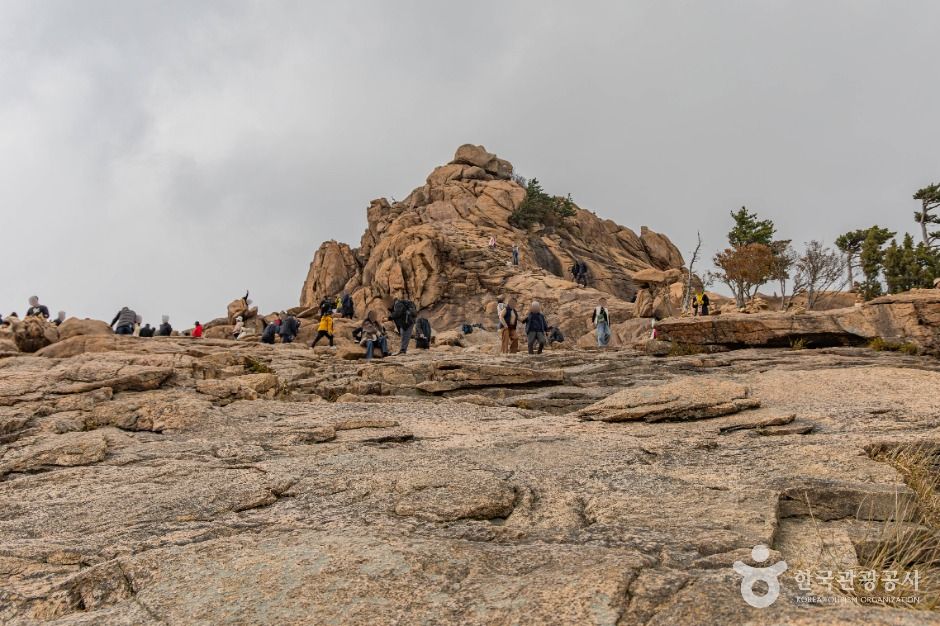
If you hike in Korea, start with these three mountains
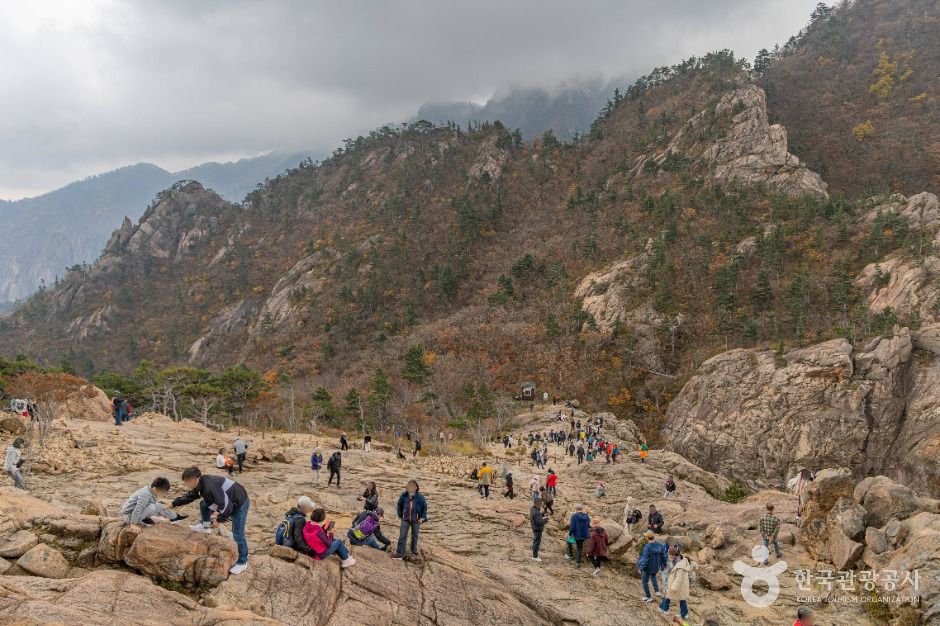 Photo: © 한국관광공사 (Korea Tourism Organization)
Hiking in Korea is usually more than a casual scenic walk. For foreign travelers, though, the choice becomes much easier if you compare three clear options: a mountain you can reach from Seoul, dramatic Seoraksan rock scenery, and a full-day summit hike on Jeju. Once you sort those three, your itinerary usually falls into place.
VisitKorea’s official article on recommended hiking courses in Korea also treats Bukhansan, Seoraksan, and Hallasan as core national park hiking options. In other words, they are useful reference points for everyone from first-time hikers to experienced trekkers.
This guide is meant to help you choose a course, not to replace current official information. Trail closures, forest-fire prevention periods, Hallasan reservations, and bus schedules can change, so check official channels again before you go. Relying only on old travel blogs can easily wreck a hiking day.
Quick comparison table
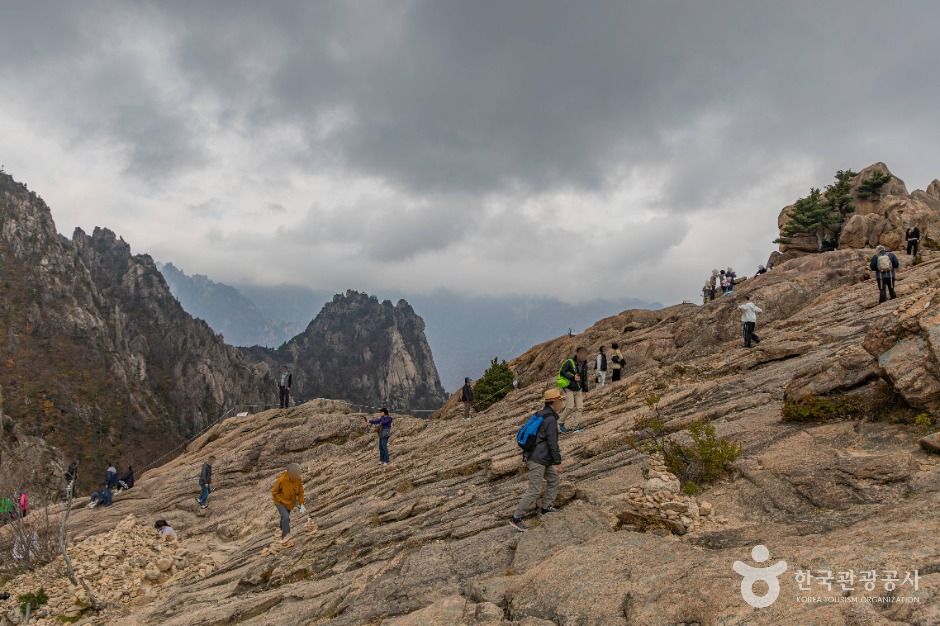 Photo: © 한국관광공사 (Korea Tourism Organization)
| Goal | Recommended course | Why choose it |
|---|---|---|
| Seoul day hike | Bukhansan Baegundae or Sinseondae | Bukhansan is in northern Seoul and is known for good public-transport access. |
| A strong taste of Seoraksan | Seoraksan Ulsanbawi | A practical Seoraksan sample route if you do not have the time or stamina for a long hike. |
| A serious summit hike | Hallasan Baengnokdam | Hallasan is 1,950m above sea level and the highest mountain in Korea. |
| Jeju hiking without the summit | Hallasan Yeongsil | An 8.4km route descending from Yeongsil through Witseoreum to Eorimok. |
1. Bukhansan: The easiest mountain to add to a Seoul itinerary
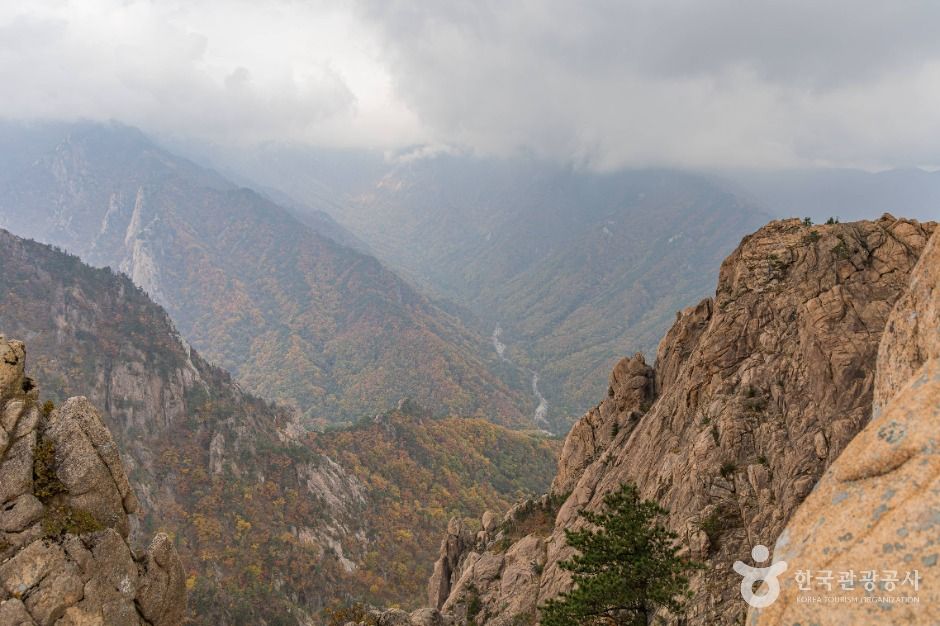 Photo: © 한국관광공사 (Korea Tourism Organization)
Bukhansan sits in northern Seoul, and VisitKorea describes it as easy to reach by public transportation. If you want to keep one day open during a Seoul trip and add a real mountain hike, Bukhansan is the first place to consider.
Baegundae course
- Distance: 9km
- Required time: 5 hours
- Course: Bukhansanseong Trail Support Center → Deungungak → Baegundae → Yongammun → Jungheungsa → Bukhansanseong Trail Support Center
- Starting point: Bukhansanseong Parking Lot 1, 24 Daeseomun-gil, Eunpyeong-gu, Seoul
- Public transportation: Take bus No. 704 from Seoul Station Bus Transfer Center and get off at Bukhansanseong Entrance stop
Baegundae is a good choice if you want the feeling of having reached a proper summit while staying in Seoul. One important caution: the KTO article noted that the Daedongsa–Baegunbongammun–Yongammun section was closed at that time because of rockfall risk. This is especially time-sensitive, so check before departure whether any closure around Baegundae is still in place.
Sinseondae course
- Distance: 7.2km
- Required time: 4 hours 30 minutes
- Course: Dobong Trail Support Center → Eunseokam → Darak Ridge → Y Valley → Sinseondae → Madangbawi → Dobong Trail Support Center
- Public transportation: Get off at Dobongsan Station on Seoul Subway Line 1, then walk about 20 minutes to the trail entrance
Sinseondae approaches Bukhansan from the Dobongsan side. If the route fits your accommodation better than Baegundae, or if you are staying in northeast Seoul, it is worth comparing.
What foreign travelers should check
The Seoul Tourism Foundation’s Seoul Hiking Tourism Center - Bukhansan Branch provides hiking information in Korean, English, Chinese, and Japanese, and rents gear such as hiking shoes and hiking clothes. That matters if you arrived in Seoul without mountain equipment. If you do not have hiking shoes, consider renting them first. Decide whether sneakers are enough only after checking the route and the weather.
2. Seoraksan: Stronger rock scenery, but a tighter itinerary
KTO introduces Seoraksan as famous for landscapes such as Gongnyong Ridge and Cheonbuldong Valley. Unlike Bukhansan, which can feel like a Seoul day trip, Seoraksan requires more time for both travel and hiking.
Ulsanbawi course
- Distance: 7.6km
- Required time: 4 hours
- Course: Sogongwon → Sinheungsa → Heundeulbawi → Ulsanbawi → Sogongwon
- Starting point: Seoraksan Sogongwon, 1055 Seoraksan-ro, Sokcho-si, Gangwon-do
- Public transportation: Take bus No. 7 or No. 7-1 from Sokcho Intercity Bus Terminal and get off at Seoraksan Sogongwon stop
Ulsanbawi is a realistic choice for travelers who want a compact taste of Seoraksan. KTO also presents it as the better Seoraksan sample hike for travelers who do not have enough time or stamina for a longer route. Want to see Seoraksan, but a 10-hour hike feels too much? Start with Ulsanbawi.
Daecheongbong course
- Distance: 16km
- Required time: 10 hours
- Course: Sogongwon → Biseondae → Huiungak Shelter → Daecheongbong → Namseorak Osaek
- Starting point: Seoraksan Sogongwon, 1055 Seoraksan-ro, Sokcho-si, Gangwon-do
- Public transportation: Take bus No. 7 or No. 7-1 from Sokcho Intercity Bus Terminal and get off at Seoraksan Sogongwon stop
Daecheongbong is the option for reaching the summit of Seoraksan. At 16km and about 10 hours, it is not a route to add casually. Check your schedule, fitness, and seasonal restrictions before you enter the trail.
KTO’s hiking-course article also mentions forest-fire prevention closures. It states that from March 2 to May 15 and from November 15 to December 15, the upper section from Biseondae Valley to Daecheongbong is closed, while the same guidance says the section from the park entrance, or Sogongwon entrance, to Biseondae Valley remains open. If you are planning to hike toward Daecheongbong, reconfirm the relevant year and exact trail section with KNPS before departure.
3. Hallasan: Be ready to spend a full Jeju day on the mountain
Hallasan is 1,950m above sea level and the highest mountain in Korea. If your Jeju goal is a summit certificate-style hike, look at the Baengnokdam course. KTO explains, however, that Hallasan summit hikes require reservations and that visitor numbers are limited to protect nature.
Baengnokdam course
- Distance: 18.5km
- Required time: 10 hours
- Course: Seongpanak → Jindallaebat Shelter → Baengnokdam → Samgakbong Shelter → Tamna Valley → Gwaneumsa
- Starting point: 1865 516-ro, Jocheon-eup, Jeju-si, Jeju Special Self-Governing Province
- Public transportation: From Gate 2 of Jeju International Airport, take bus No. 181 and get off at Seongpanak stop, or take bus No. 281 from Jeju Bus Terminal and get off at Seongpanak stop
Baengnokdam is the course in this guide most likely to consume an entire day. It is 18.5km and takes about 10 hours. If you move without checking reservations, entry status, and same-day operations, the risk is high.
The official Hallasan reservation system provides foreign-language services. At the time of the earlier check, Seongpanak and Gwaneumsa were displayed as “normal operation” and “reservation available,” but this is time-sensitive information and must be checked again before publication and before you go.
Yeongsil course
- Distance: 8.4km
- Required time: 5 hours
- Course: Yeongsil → Byeongpungbawi → Witseoreum → Eorimok
- Public transportation: Take bus No. 240 from Jeju Bus Terminal and get off at Yeongsil Ticket Office stop
- Access caution: On the 2.5km road from Yeongsil Ticket Office to Yeongsil Rest Area and the trail entrance, only vehicles with 12 seats or fewer may enter. Bus users must walk this 2.5km or use a taxi.
Yeongsil is a useful comparison option for Jeju travelers who find the Baengnokdam summit hike too demanding. If you do not need to reach the summit and a 5-hour hike is enough, Yeongsil may be the more realistic choice.
Pre-departure checklist
- Bukhansan: Check whether any rockfall-related closures around Baegundae are still in place.
- Seoraksan: Check forest-fire prevention periods, current closed sections, and whether Daecheongbong access is possible for your travel year with KNPS.
- Hallasan: Check reservation requirements, capacity, entry status, and Seongpanak/Gwaneumsa operations.
- Buses: Treat KTO bus numbers as references, then reconfirm first buses, last buses, and headways in official or local transportation apps.
- Weather: For longer routes, start early and calculate your descent time carefully.
- Gear: If you lack equipment in Seoul, check the Seoul Hiking Tourism Center - Bukhansan Branch.
Conclusion: Choose by itinerary, not by ambition
Choose Bukhansan if you want to add a mountain to one day in Seoul. Choose Ulsanbawi if you want a short but memorable taste of Seoraksan’s rock scenery. Choose Hallasan Baengnokdam if you want to commit a full Jeju day to Korea’s highest peak. Choose Yeongsil if you want a more realistic Jeju hike without aiming for the summit.
You do not need to force all of them into one trip. In Korean mountains, public transportation, reservations, and seasonal closures matter as much as hiking difficulty. Before asking “which course is best?”, first check: “Can I actually hike it today?”